Moxibustion and Its Uses in Fertility

Moxibustion, a cornerstone of Traditional Chinese Medicine (TCM), harnesses the therapeutic power of heat through the burning of dried mugwort (Artemisia) near specific acupuncture points. This targeted heat application aims to invigorate circulation and optimise the flow of qi, the body’s vital energy. Increasingly, moxibustion is recognised as a valuable complementary approach to enhancing fertility. This article provides a focused examination of moxibustion’s mechanisms, potential benefits, and practical applications within the context of fertility challenges, grounded in TCM principles.
What is Moxibustion?
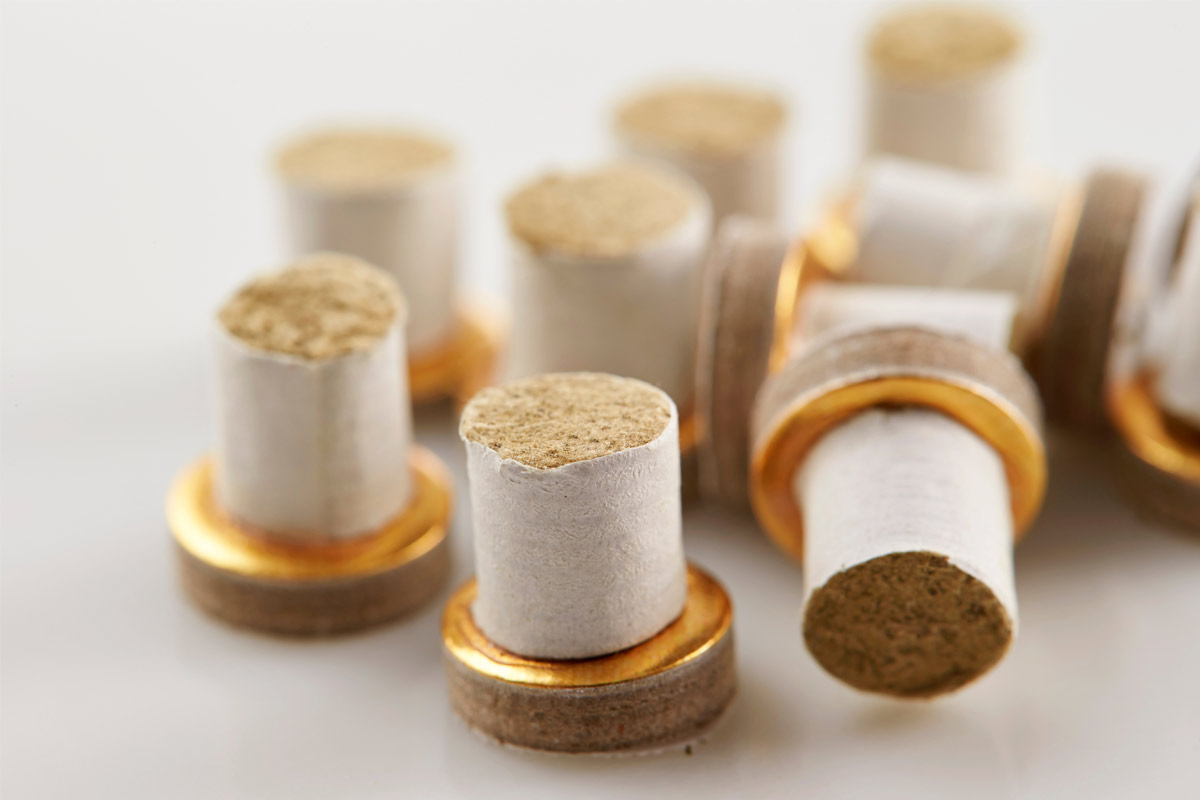
Moxibustion employs the burning of mugwort, an herb known for its warming properties. This can be performed directly on the skin, indirectly using a barrier such as ginger or garlic, or via a moxa stick held close to the skin. The heat generated penetrates the body, stimulating specific acupuncture points. This stimulation is intended to improve blood flow, dispel cold, and strengthen qi.
Moxibustion and Traditional Chinese Medicine (TCM) in Fertility
Traditional Chinese Medicine views fertility challenges as a result of imbalances within the body. These imbalances can manifest as deficiencies or blockages in qi and blood, particularly affecting the Kidney, Spleen, and Liver meridians. Common TCM diagnoses associated with infertility include Kidney Yang deficiency, Cold in the Uterus, and Liver Qi stagnation. Kidney Yang deficiency, for instance, is characterized by symptoms such as lower back pain, cold extremities, and irregular menstruation. Cold in the Uterus refers to a condition where cold pathogens obstruct the flow of qi and blood to the uterus, potentially affecting implantation and menstruation.
Specific Acupuncture Points and Moxibustion Techniques for Fertility

Specific acupuncture points are targeted to address particular fertility concerns. Techniques vary depending on the individual’s condition and the practitioner’s assessment.
- CV4 (Guanyuan): Located on the midline of the abdomen, this point is used to tonify Kidney Yang and nourish blood. Moxibustion applied here can warm the uterus and improve circulation.
- CV6 (Qihai): Situated below the navel, this point strengthens qi and benefits the reproductive system. Moxibustion on CV6 can help to regulate menstruation and improve fertility.
- SP6 (Sanyinjiao): Located on the inner leg, this point is used to nourish blood and regulate menstruation. Moxibustion here can improve blood flow to the pelvic area.
- BL32 (Ciliao): Located in the sacral region, this point is used to regulate the uterus and promote circulation. Moxibustion at BL32 can alleviate lower back pain and improve pelvic circulation.
- BL67 (Zhiyin): Located on the lateral side of the base of the nail on the baby toe. This point has a special indication to turn a breech baby into position.
- ST36 (Zusanli): Located below the knee, this point strengthens qi and blood. Moxibustion on ST36 can improve overall energy and support reproductive health.
How Moxibustion is Used to Address Imbalances
Moxibustion aims to restore balance by warming specific acupuncture points. This warming action is thought to disperse cold, invigorate qi and blood, and strengthen organ function.
- Dispelling Cold: Moxibustion’s heat helps to expel cold pathogens that may be obstructing the flow of qi and blood to the reproductive organs. Cold stagnation can lead to menstrual irregularities and implantation difficulties.
- Invigorating Qi and Blood: The warming effect of moxibustion promotes circulation, ensuring that qi and blood flow smoothly to the uterus and ovaries. This is vital for nourishing the reproductive organs and supporting healthy ovulation.
- Strengthening Kidney Yang: Moxibustion can tonify Kidney Yang, which is crucial for reproductive function. Strengthening Kidney Yang can alleviate symptoms of lower back pain, cold extremities, and improve menstrual regularity.
- Regulating Menstruation: By addressing underlying imbalances, moxibustion can help regulate the menstrual cycle, improving the regularity and quality of menstruation.
- Improving Endometrial Lining: Moxibustion can improve the thickness and quality of the endometrial lining, creating a more receptive environment for implantation.
Potential Benefits of Moxibustion for Fertility

Moxibustion offers several potential benefits for individuals facing fertility challenges. These benefits are rooted in its ability to address underlying imbalances and promote overall well-being.
- Improved Ovarian Function: Through the stimulation of specific acupuncture points, moxibustion enhances blood flow and the circulation of qi to the ovaries. This process may lead to improved follicular development, resulting in more consistent and healthy ovulation cycles.
- Reduced Menstrual Pain: The application of moxibustion helps to dispel cold and stagnation within the pelvic region, which are often contributing factors to menstrual cramps. By addressing these imbalances, moxibustion can alleviate discomfort and reduce pain associated with menstruation.
- Enhanced Endometrial Receptivity: Moxibustion’s warming action improves blood flow to the uterus, fostering a richer and more nourishing environment for implantation. This enhancement of endometrial receptivity increases the likelihood of a fertilized egg successfully implanting and developing.
- Stress Reduction: The gentle warmth and therapeutic ritual of moxibustion induce a calming effect on the nervous system. This reduction in stress levels can positively influence hormonal balance and overall well-being, both of which are critical factors for optimal fertility.
- Improved Sperm Quality: Preliminary research indicates that moxibustion may positively influence sperm parameters. By stimulating specific points, it is suggested that moxibustion could improve sperm motility, morphology, and overall vitality, thus enhancing male fertility.
- Regulation of Hormonal Imbalances: By harmonizing the flow of qi and blood throughout the body, moxibustion can assist in regulating hormonal imbalances that may impede fertility. This balancing effect can contribute to more regular menstrual cycles and improved reproductive function.
- Support During IVF: As a complementary therapy, moxibustion can be integrated with in vitro fertilization (IVF) protocols. It is believed that moxibustion’s ability to improve circulation and reduce stress may enhance the effectiveness of IVF treatments.
Precautions and Contraindications
Moxibustion is generally considered safe when performed by a qualified practitioner. However, certain precautions and contraindications should be observed.
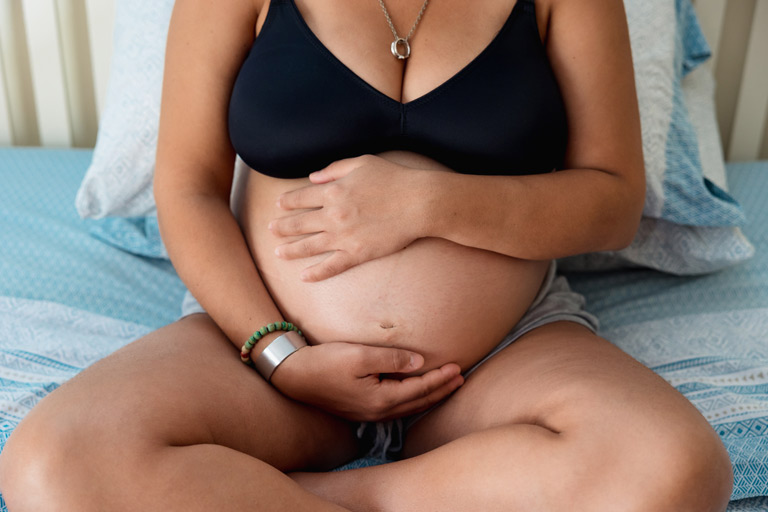
- Pregnancy: During gestation, moxibustion, especially near the abdomen and sacrum, poses risks. The heat can induce uterine contractions, potentially leading to premature labour or miscarriage. Therefore, it is generally avoided.
- Skin Conditions: Those with eczema or psoriasis should refrain from direct moxibustion. The heat and smoke can exacerbate existing skin irritations, causing further discomfort and potential infection within compromised skin barriers.
- High Fever: When the body is already experiencing a high fever, moxibustion is not recommended. The additional heat can further elevate body temperature, potentially worsening the condition and hindering the natural healing process.
- Scar Tissue: Direct moxibustion on scar tissue is ill-advised. Scar tissue’s altered structure and reduced sensation may lead to burns or unintended tissue damage, as the heat’s effects can be unpredictable.
Moxibustion presents a valuable complementary therapy for individuals navigating fertility challenges. By addressing underlying imbalances within the TCM framework, it aims to improve reproductive function and overall well-being. It is essential to consult with a qualified TCM practitioner to determine the suitability of moxibustion and to develop a personalized treatment plan. Practitioners, such as those registered with the College of Traditional Chinese Medicine Practitioners and Acupuncturists of Ontario, adhere to professional standards. Moxibustion should be considered as part of an integrated approach to fertility care.
For further information about moxibustion or to schedule a consultation, contact White Birch Clinic at (289) 837-2026.