Pull the Plug on Prolonged Menstrual Bleeding: How TCM Can Help

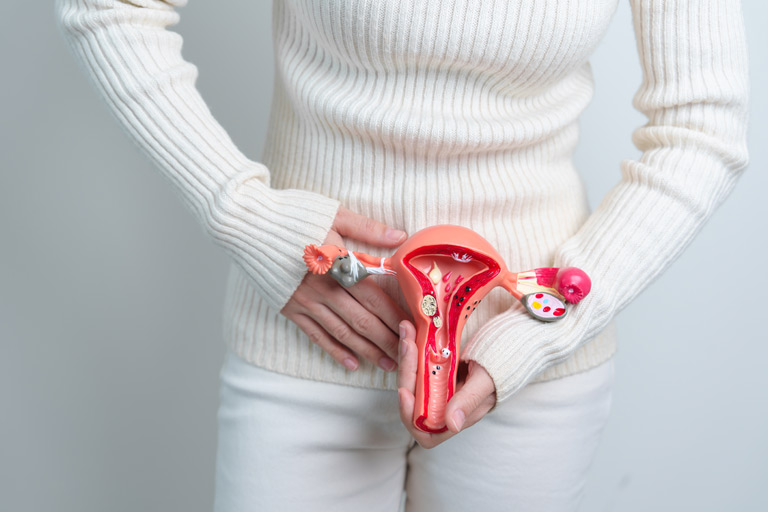
When periods overstay their welcome, it can be more than just an inconvenience. For many, a menstrual cycle that goes on for seven days or longer becomes a source of frustration, disrupting daily life and causing significant physical discomfort not to mention deficiencies. The medical community often refers to this condition as menorrhagia, characterized by unusually heavy or extended bleeding. While conventional Western medical treatments, such as hormonal birth control pills or intrauterine devices (IUDs), provide solutions for some, they are usually a band-aid and come with numerous side effects. This is where Traditional Chinese Medicine (TCM) offers a different path.
TCM provides a comprehensive, holistic framework for understanding and addressing the root causes of prolonged menstrual bleeding. It does not simply aim to stop the bleeding temporarily but seeks to re-establish the body’s natural balance.
The “Why” Behind Prolonged Bleeding
From a TCM standpoint, prolonged or heavy menstrual bleeding is not a standalone issue but a signal of a deeper imbalance within the body. The goal is to identify and correct this underlying cause rather than just treating the symptom. TCM practitioners examine the body as an interconnected system, focusing on the flow of vital energy (Qi) and Blood. The primary causes often fall into a few key patterns of disharmony.
- Qi and Blood Stagnation: In TCM, Qi is the body’s life force, and it moves the blood. When Qi flow is sluggish or blocked, blood can also stagnate. This can lead to the body attempting to push the stagnant blood out, resulting in prolonged or heavy periods with dark clots. A person might feel irritable or experience sharp, fixed pain. Addressing menstrual issues with TCM often involves moving this stagnant energy – gently and harmoniously.
- Qi Deficiency: Qi is responsible for holding the blood within its vessels. If the Qi is weak, it can’t perform this function effectively, causing blood to leak out excessively. This condition often presents with a pale, watery flow, fatigue, and shortness of breath. The individual may feel drained before and after their period. TCM for heavy periods focuses on strengthening this vital energy.
- Blood Heat: When there is too much heat in the blood, it becomes restless and circulates too quickly and intensely. This can force the blood out of its normal channels, leading to heavy and prolonged bleeding. Symptoms might include a feeling of warmth, bright red blood, and emotional restlessness. The cause can be linked to diet, stress, or other internal factors. A key component of natural menstrual relief is cooling this excess heat.
- Blood Deficiency: Though it might seem counterintuitive, a deficiency of blood can also contribute to prolonged bleeding. The body may try to compensate for this lack of blood by working overtime, leading to a weak, dribbling flow that can last for many days. This pattern is often accompanied by signs of anaemia, such as dizziness, paleness, and a dry complexion.
How TCM Diagnoses Prolonged Bleeding

A TCM practitioner’s diagnosis process is very detailed and personal. They do not just focus on the symptoms but on the entire person, looking for clues that point to specific patterns of disharmony. Here’s a closer look at the diagnostic methods used:
- Pulse Diagnosis: A practitioner feels the pulse on both wrists, noting its rhythm, strength, and depth. The pulse is a window into the body’s internal state, revealing signs of Qi and Blood health. For example, a weak and thin pulse might indicate Qi or Blood deficiency, while a rapid pulse could signal internal heat. This careful Traditional Chinese Medicine diagnosis helps to pinpoint the root issue.
- Tongue Diagnosis: The tongue provides a rich source of diagnostic information. A TCM practitioner examines its colour, shape, coating, and texture. A pale tongue often points to blood or Qi deficiency, while a red tongue might indicate heat. A swollen tongue with a thick, yellow coating could suggest dampness and heat.
- Symptom Analysis: A thorough consultation involves asking about the specifics of the menstrual cycle, including the colour and texture of the blood, presence of clots, pain levels, and other accompanying symptoms like headaches, fatigue, or emotional changes. The practitioner also asks about diet, sleep patterns, and stress levels to build a complete picture of the individual’s health.
- Palpation and Observation: The practitioner might gently palpate the abdomen to check for tenderness or masses, which could suggest stagnation. They also observe the person’s overall demeanour, complexion, and voice tone for further clues about their internal condition. A sallow complexion could point to Blood Deficiency, while a ruddy face might indicate internal heat.
- Lifestyle and Diet Review: The TCM diagnosis extends beyond physical symptoms to include lifestyle factors. A practitioner will ask about diet, work-life balance, exercise habits, and emotional health. Stress, for example, can contribute to Qi stagnation, while a poor diet can lead to deficiencies. Acupuncture for menstrual regulation is often paired with lifestyle advice.
TCM Solutions for Prolonged Menstrual Bleeding

Once a diagnosis is made, a TCM practitioner creates a personalized treatment plan that may combine several modalities to restore balance. These are not one-size-fits-all solutions but are tailored to the specific pattern of disharmony identified.
- Acupuncture: Acupuncture involves the insertion of fine needles into specific points along the body’s meridians. This stimulates the flow of Qi and Blood, helping to resolve stagnation, strengthen weak organs, or clear heat. For menorrhagia, specific points are chosen to regulate the menstrual cycle and help the body hold the blood within its channels.
- Herbal Medicine: TCM herbal remedies are powerful and often form the cornerstone of treatment. A practitioner will prescribe a formula of various herbs, which work together synergistically. For example, herbs like Sheng Di Huang may be used to cool Blood Heat, while Dang Gui can nourish the blood and move stagnation. The formula is customized for the individual’s specific needs and symptoms.
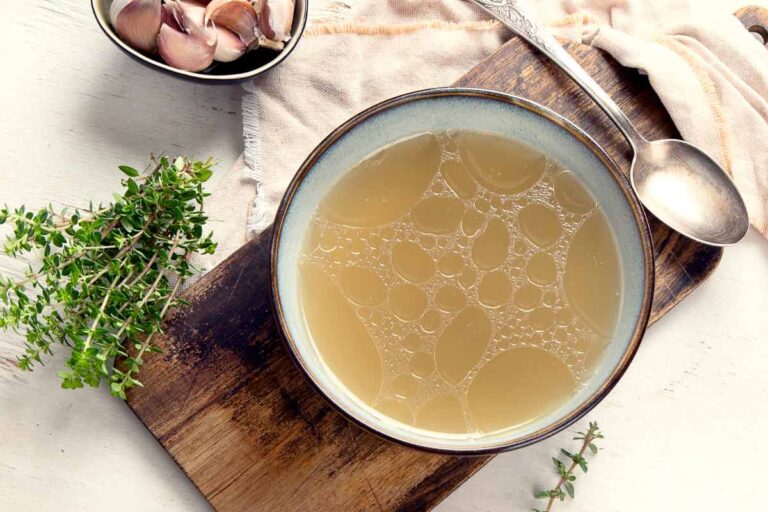
- Dietary Therapy: Diet is a fundamental aspect of TCM healing. A practitioner will advise on foods that can support the body’s natural balance. For Qi deficiency, they might recommend warm, cooked foods like stews and root vegetables, while for Blood Heat, they might suggest cooling foods such as cucumber and melon.
- Moxibustion: This technique involves burning a dried herb, typically mugwort (moxa), near specific acupuncture points. The heat from the moxa deeply penetrates the skin, warming the meridians and promoting the smooth flow of Qi and Blood. This can be especially effective for conditions rooted in cold or deficiency.
- Lifestyle and Stress Management: The mind-body connection is central to TCM. Practices like gentle yoga, Tai Chi, or meditation can help manage stress, which often contributes to Qi stagnation and heat. Ensuring adequate rest and a regular schedule is also vital for rebuilding Qi and Blood.
A 2021 study published at Healthcare Journal found that acupuncture and Chinese herbal medicine can significantly reduce heavy menstrual bleeding, with effects comparable to or exceeding some conventional treatments, and with fewer side effects. This research reinforces TCM as a valid and effective option for those seeking menstrual cycle regulation.
TCM offers a comprehensive, personalized way to manage prolonged menstrual bleeding by addressing its underlying causes. It moves beyond a one-size-fits-all approach to honour the individual’s unique physiology and life circumstances. By using tools like acupuncture, herbal medicine, and lifestyle guidance, TCM helps the body regain its natural rhythm.
If you are struggling with prolonged or heavy periods, it may be time to consider a different approach. For professional guidance and a personalized treatment plan, contact the White Birch Clinic at (289) 837-2026.