TCM for Pregnancy Disorders Series – 1: Subchorionic Hematoma

Key Takeaways
- Subchorionic bleeding involves pooled blood between the uterine wall and chorionic membrane during early pregnancy.
- Conventional medical care relies primarily on observation, pelvic rest, and diagnostic ultrasound scans.
- Traditional Chinese Medicine classifies this pattern as restless fetus or threatened miscarriage rooted in internal imbalances.
- Classical herbal formulas work by nourishing Kidney Qi, consolidating the Chong and Ren vessels, and calming maternal uterine activity.
- Tailored herbal medicine and gentle acupuncture support natural uterine healing and promote maternal stability.
Early pregnancy bleeding causes significant worry, yet targeted clinical care provides clear physical reassurance. Subchorionic hematoma represents one of the most common causes of first-trimester spotting and vaginal bleeding. Traditional Chinese Medicine offers time-tested, holistic care aimed at preserving uterine harmony, resolving intrauterine blood stasis, and strengthening constitutional reserves.
This article reviews the clinical nature of subchorionic pools, examines diagnostic perspectives from Chinese medical theory, and details classical herbal formulas designed to safeguard maternal and fetal health. Integrating gentle therapeutic strategies assists natural tissue repair and reinforces fetal stability during the initial stages of gestation.
What Is a Subchorionic Hematoma?
A subchorionic hematoma, or subchorionic haemorrhage, is an accumulation of blood between the chorion and the endometrium. According to the Society of Obstetricians and Gynaecologists of Canada (SOGC), vaginal bleeding occurs in approximately 15% to 25% of first-trimester pregnancies, with hematomas detected via routine pelvic ultrasonography. It arises when small marginal vessels detach during early placental development. Symptoms range from light spotting to heavy bleeding with mild cramping. While many resolve without incident, clinical management remains focused on ultrasound monitoring and physical rest.
How Does Traditional Chinese Medicine View Subchorionic Bleeding?
In Traditional Chinese Medicine, subchorionic bleeding corresponds to tai lou (fetal leakage) and tai dong bu an (restless fetus). Healing requires tonifying constitutional reserves, holding blood within its vessels, and resolving stagnation.
- Kidney Qi Deficiency: The Kidneys govern reproduction and secure the fetus. Weakness in Kidney Qi allows the Chong and Ren vessels to lose stability, producing lower back soreness, fatigue, and pale bleeding. Treatment focuses on strengthening the root to stabilize the pregnancy.
- Spleen Qi Weakness: The Spleen manages blood containment within vascular pathways and generates maternal energy. When Spleen Qi becomes deficient, blood escapes from vessels, manifesting as persistent spotting, weak digestion, and heaviness in the lower abdomen. Therapy lifts descending Qi and stops bleeding.
- Blood Stasis with Local Heat: Stagnant blood accumulation in the uterine cavity generates localized friction and heat. This pattern produces darker, clotted vaginal discharge paired with fixed abdominal tension. Gentle methods clear heat, soothe stasis, and support natural blood absorption safely.
- Chong and Ren Vessel Disharmony: The Chong and Ren meridians regulate the uterus and supply nourishment to the embryo. Disruption along these channels permits blood to collect outside normal tissue layers. Regulating these vessels ensures steady foetal nourishment and calms internal uterine movement.
3 Classical TCM Treatments Used for Fetal Stabilization
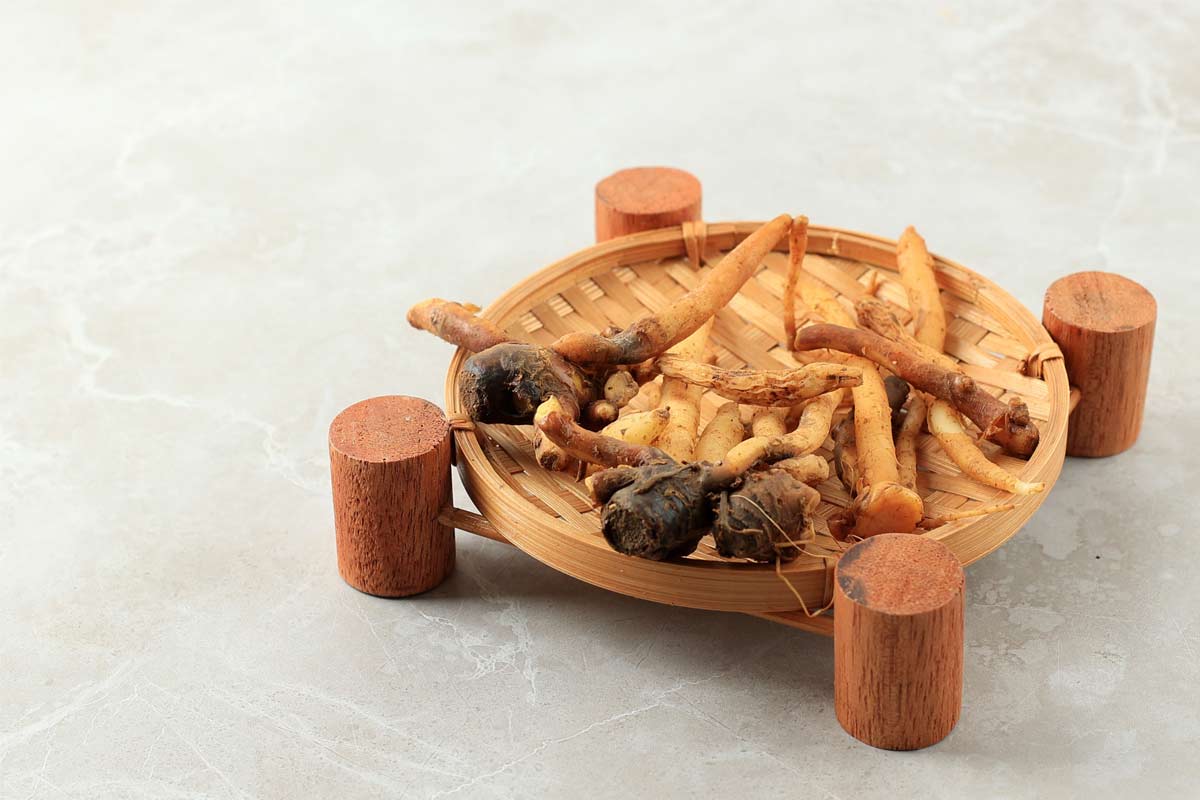
Classical herbal formulations along with acupuncture treatments provide specific, balanced support to reinforce uterine integrity, clear stagnant fluid, and maintain foetal rest.
- Shou Tai Wan (Foetus Longevity Pill): Shou Tai Wan tonifies Kidney essence and secures the miscarrying foetus. Featuring herbs like Cuscuta (Tu Si Zi) and Taxillus (Sang Ji Sheng), this formula fortifies maternal reserves, nourishes the lower back, and calms persistent spotting caused by underlying constitutional deficiency.
- Jiao Ai Tang (Ass-Hide Gelatin and Mugwort Decoction): Jiao Ai Tang warms the uterus, stops bleeding, and nourishes maternal blood. Utilizing E Jiao, Ai Ye, and Dang Gui, it consolidates the penetrating vessels to resolve continuous brown spotting, relieve dull abdominal cramping, and restore vascular integrity.
- Auricular Acupuncture: Acupuncture points that are safely used to lift sinking Qi and reinforcing the Spleen and Kidneys. By combining points on the ear with distal points on the body, treatment strengthens bodily containment mechanisms arresting bleeding, treats maternal fatigue, and prevents recurrent threatened miscarriage.
Subchorionic hematomas resolve smoothly when supported by gentle rest, targeted therapies, and balanced botanical medicine. Traditional Chinese Medicine delivers a calm, restorative environment for early pregnancy, treating root disharmonies to protect both mother and child.
For professional care and tailored reproductive acupuncture, visit White Birch Clinic, contact us at (289) 837-2026.